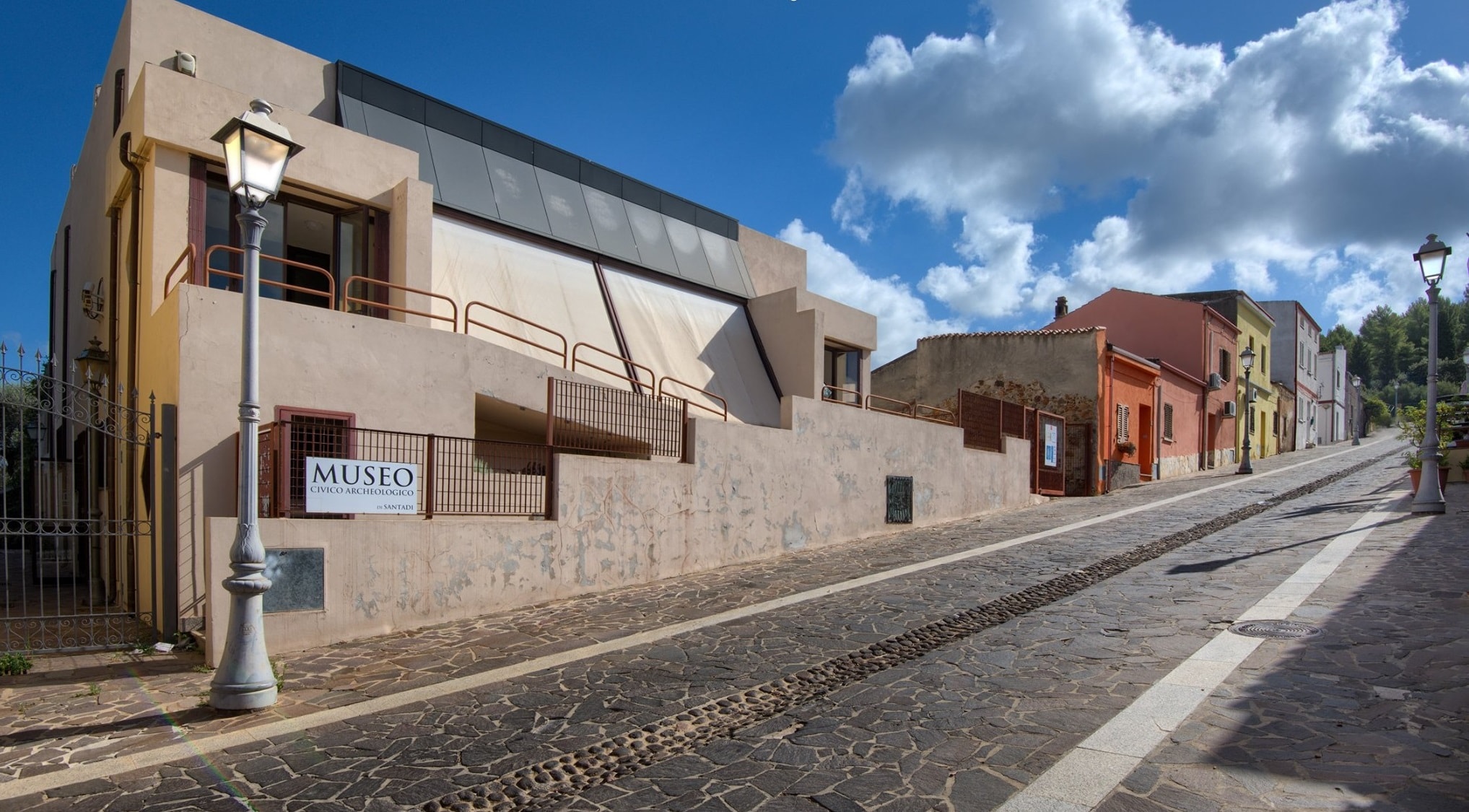
Santadi: A Millennial Journey Through History. From the discovery of the Pirosu Cave to the inauguration of the Civic Archaeological Museum. The discovery on June 23, 1968, by speleologists Antonio Assorgia, Sergio Puddu, and Franco Todde of the Pirosu Cave in the Su Benatzu area, with its priceless votive deposit, and the archaeological investigations carried out in the late 1960s and early 1970s in the Neolithic necropolis of Montessu-Villaperuccio and the multi-layered settlement of Pani Loriga-Santadi by archaeologists Ferruccio Barrecca, Gianni Tore, and Enrico Atzeni led, in subsequent years, to the need to create an archaeological museum in Santadi for the purpose of studying, restoring, and exhibiting the numerous finds from these exceptional sites.
-
Info Reservation
+39 0781 954203 +39 348 8866797
museoarcheologicosantadi@gmail.com
Opening hours
Civic Archaeological Museum
Ethnographic Museum “Sa Domu antiga”
Wednesday, Thursday: 8.00 – 14.00
Friday, Saturday and Sunday: 8.30am – 1.30pm / 3.30pm -6.30pm
Closed on Mondays and Tuesdays
Archaeological area of Pani Loriga
Friday, Saturday and Sunday: 9.30am – 6.30pm
Guided tours take place at 9.00, 11.00, 15.30
The site can be visited on different days and at different times, by reservation, for groups of at least 20 people
(The 5:00 pm guided tour does not take place during the winter months from November to February.)
Day ticket
Cumulative Archaeological Museum – Ethnographic Museum – Pani Loriga Archaeological Site
Adults – full price €7.00
Children up to 14 years of age, school groups of all levels – reduced €4.00
Groups of more than 20 people – reduced €5.00
Cumulative Archaeological and Ethnographic Museum
Adults – full price €5.00
Children up to 14 years of age, school groups of all levels – reduced €3.00
Groups of more than 20 people – reduced €4.00
Archaeological area of Pani Loriga
Adults – full price €5.00
Children up to 14 years of age, school groups of all levels – reduced €3.00
Groups of more than 20 people – reduced €4.00
ENTRANCE TICKETS INCLUDE GUIDED TOUR AND ACCOMPANIMENT
EXEMPTIONS:
Minors aged between 0 and 5 years
Driver and Group Leader
Disabled people and their companions
Employees of the Ministry of Cultural Heritage and Activities provided they have a valid ID card
Journalists provided they have a card
Institutional entities upon notification from the competent Office
Particular cultural and social occasions and purposes in which the GM finds a correspondence to the guidelines established in the administrative program
The process that led to the establishment and creation of the museum was not, as often happens in these circumstances, immediate and it took several years for it to open.
In January 2001, under the auspices of the Ministry of Cultural Heritage, the Archaeological Superintendency, and the Department of Archaeological and Historical-Artistic Sciences of the University of Cagliari , the Civic Archaeological Museum of Santadi was inaugurated under the scientific curation of the late Remo Forresu, a leading figure in archaeological research in the lower Sulcis area.
The exhibition
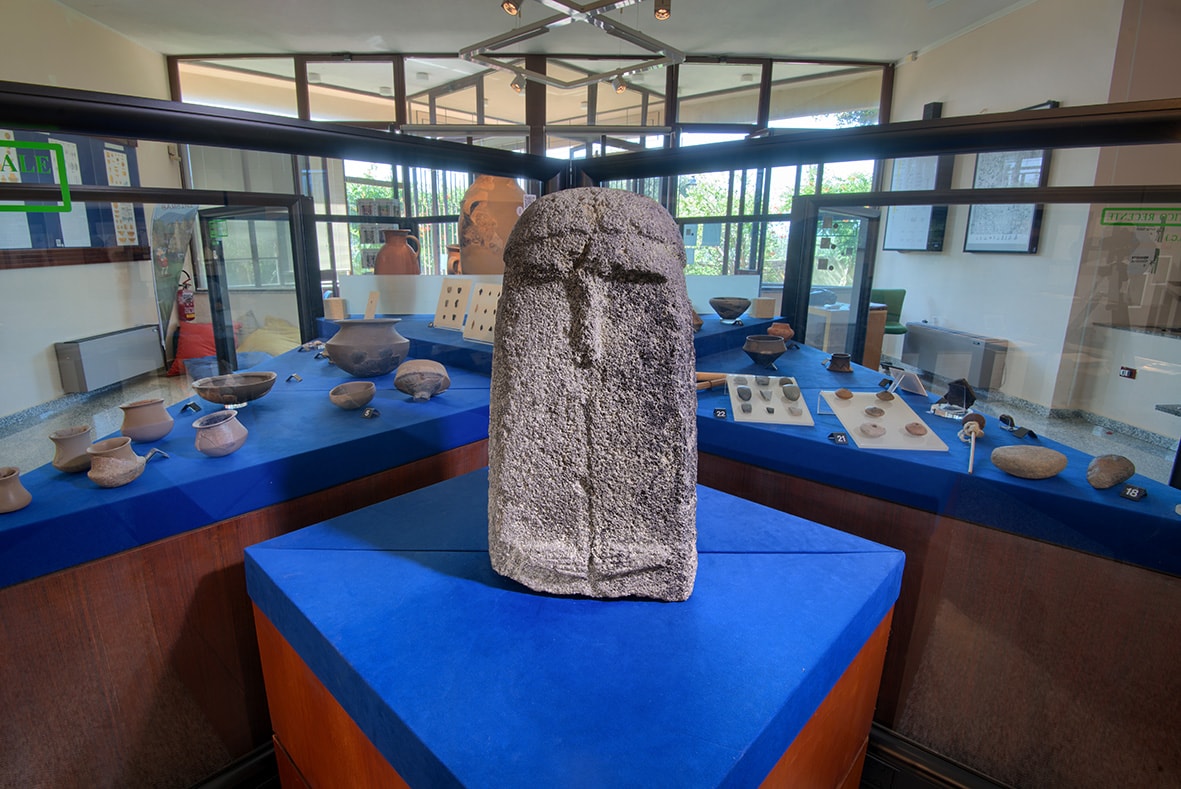
Conceived as a local museum , it houses finds from the main archaeological sites of the Lower Sulcis in an exhibition organised according to the chronological succession of the different eras that followed one another from the Neolithic to the Roman and Early Medieval periods.
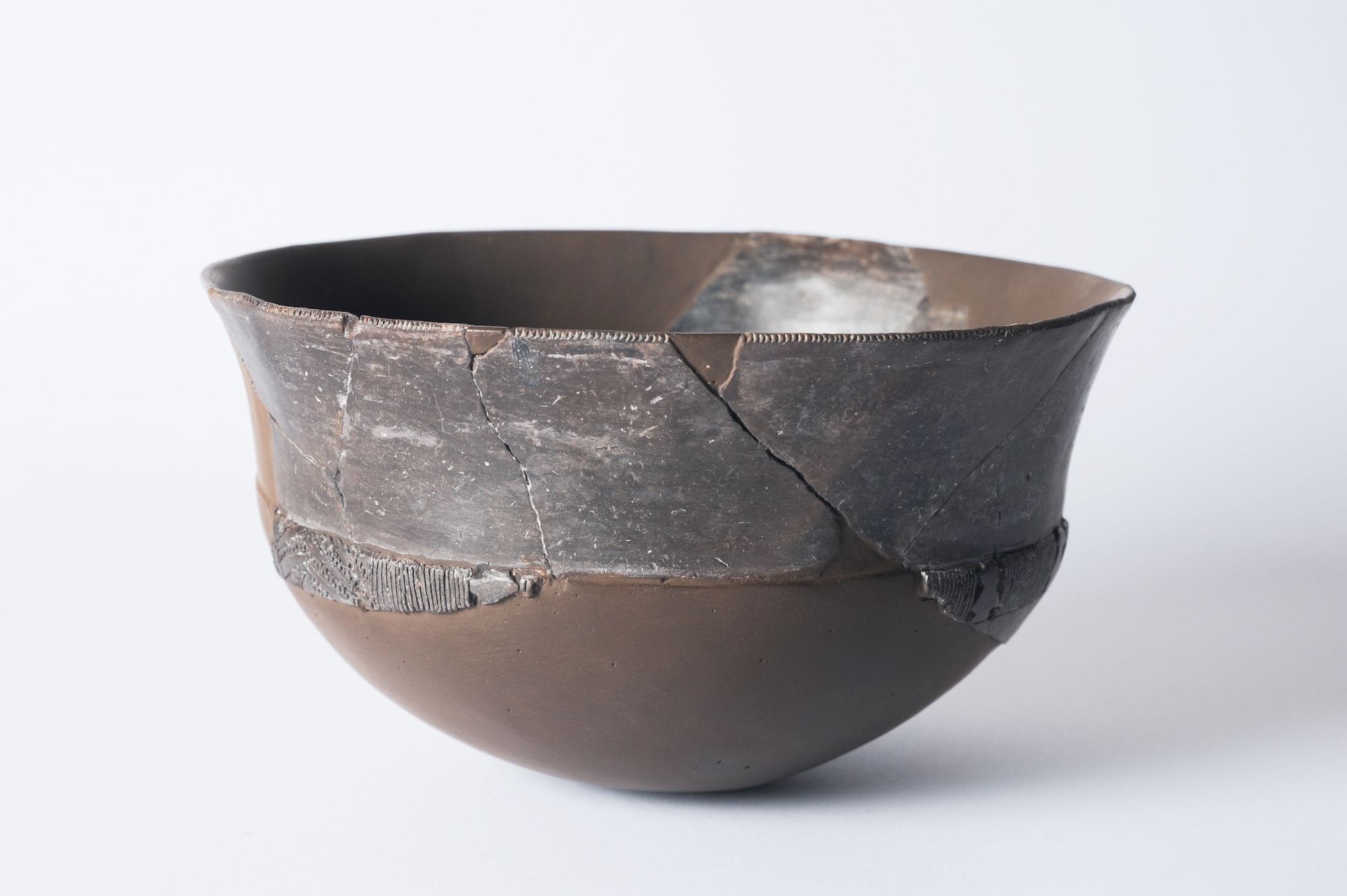
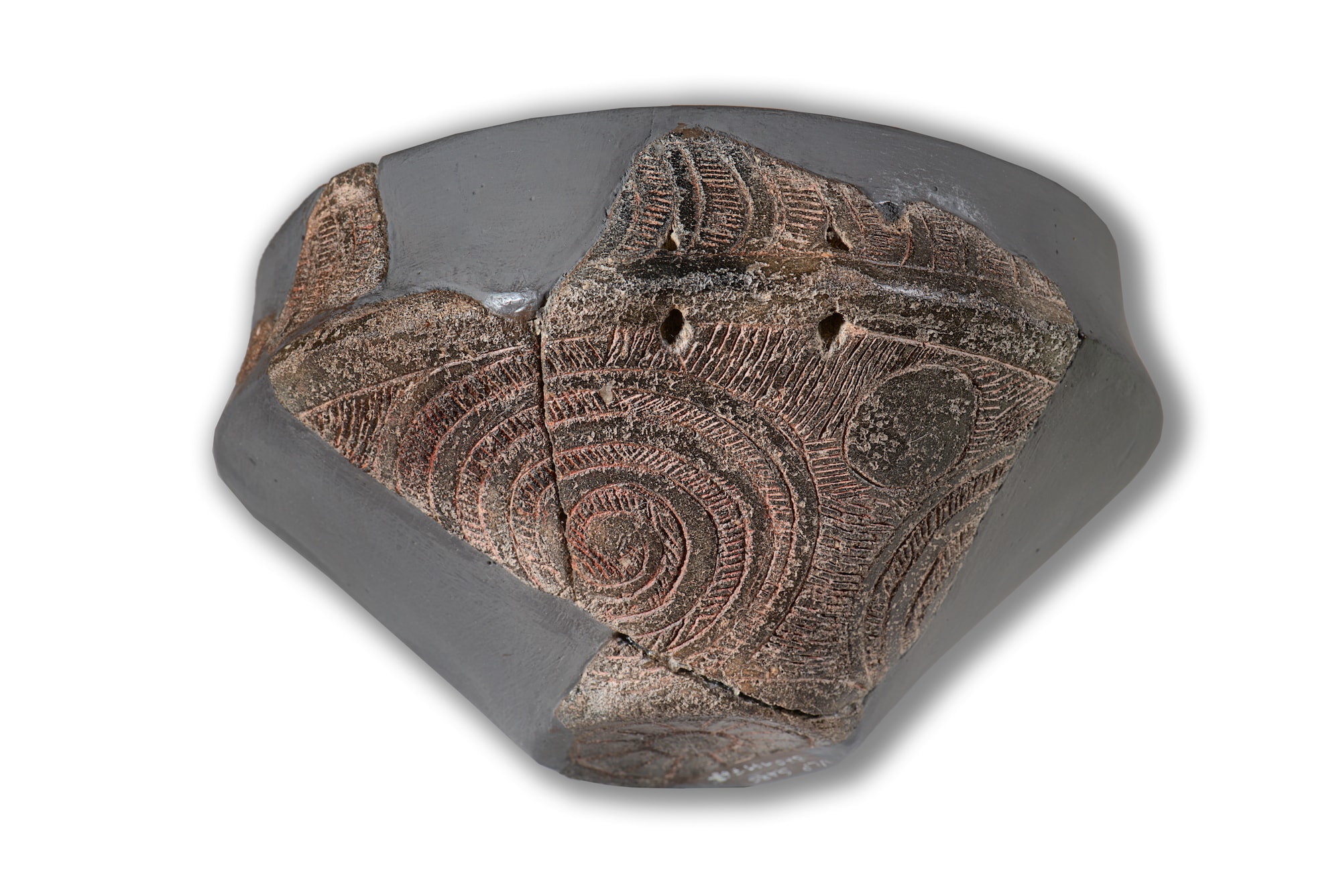
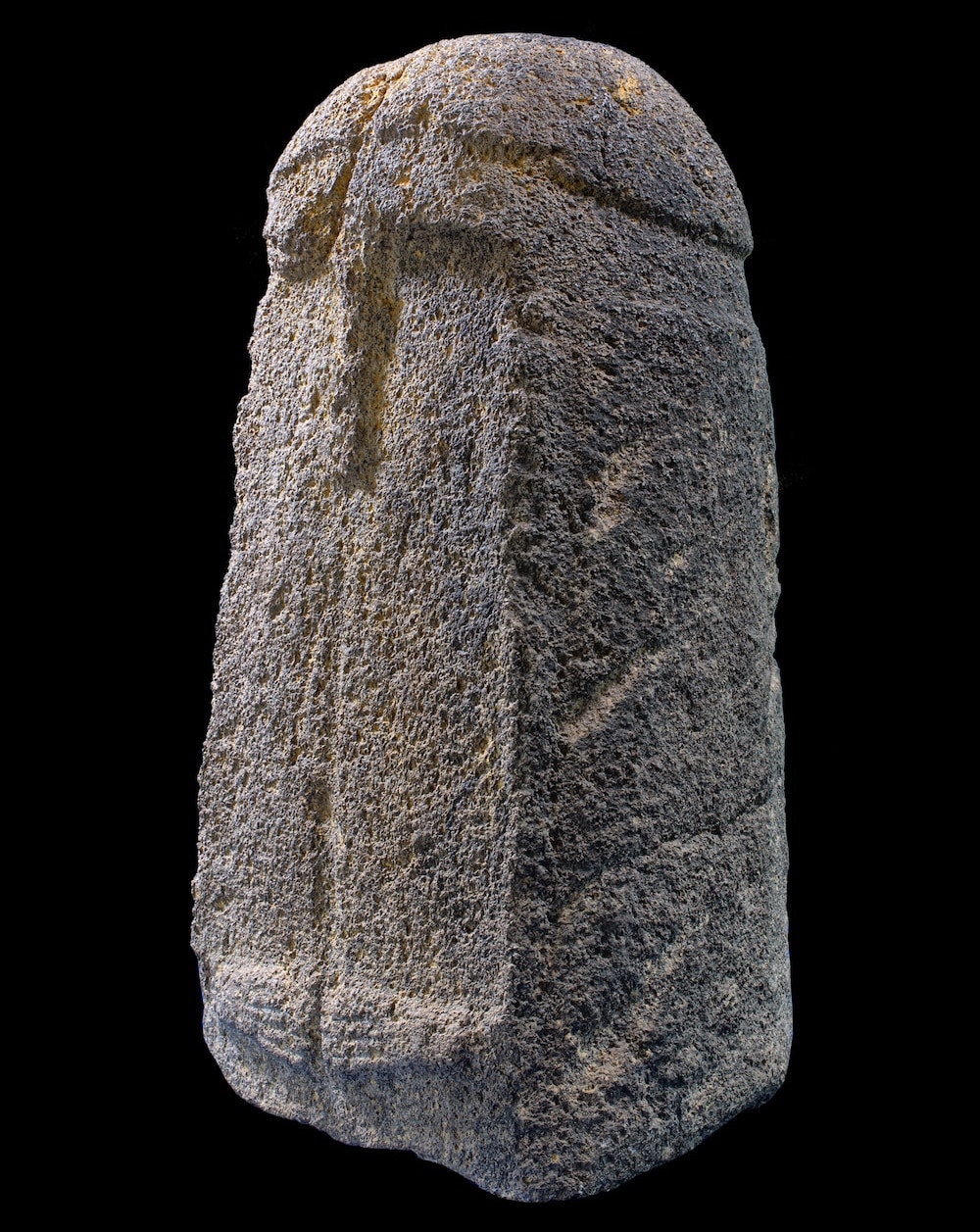
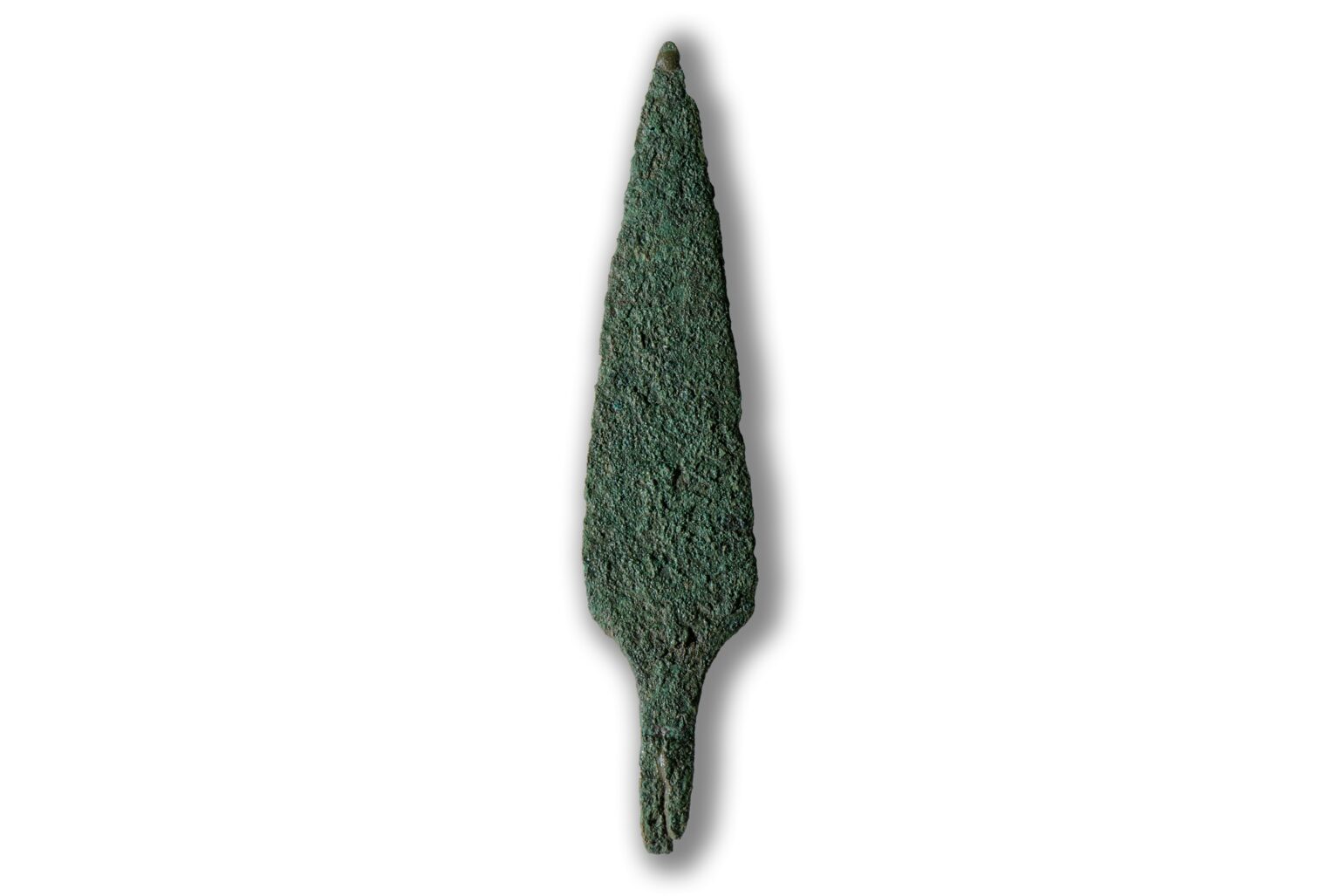
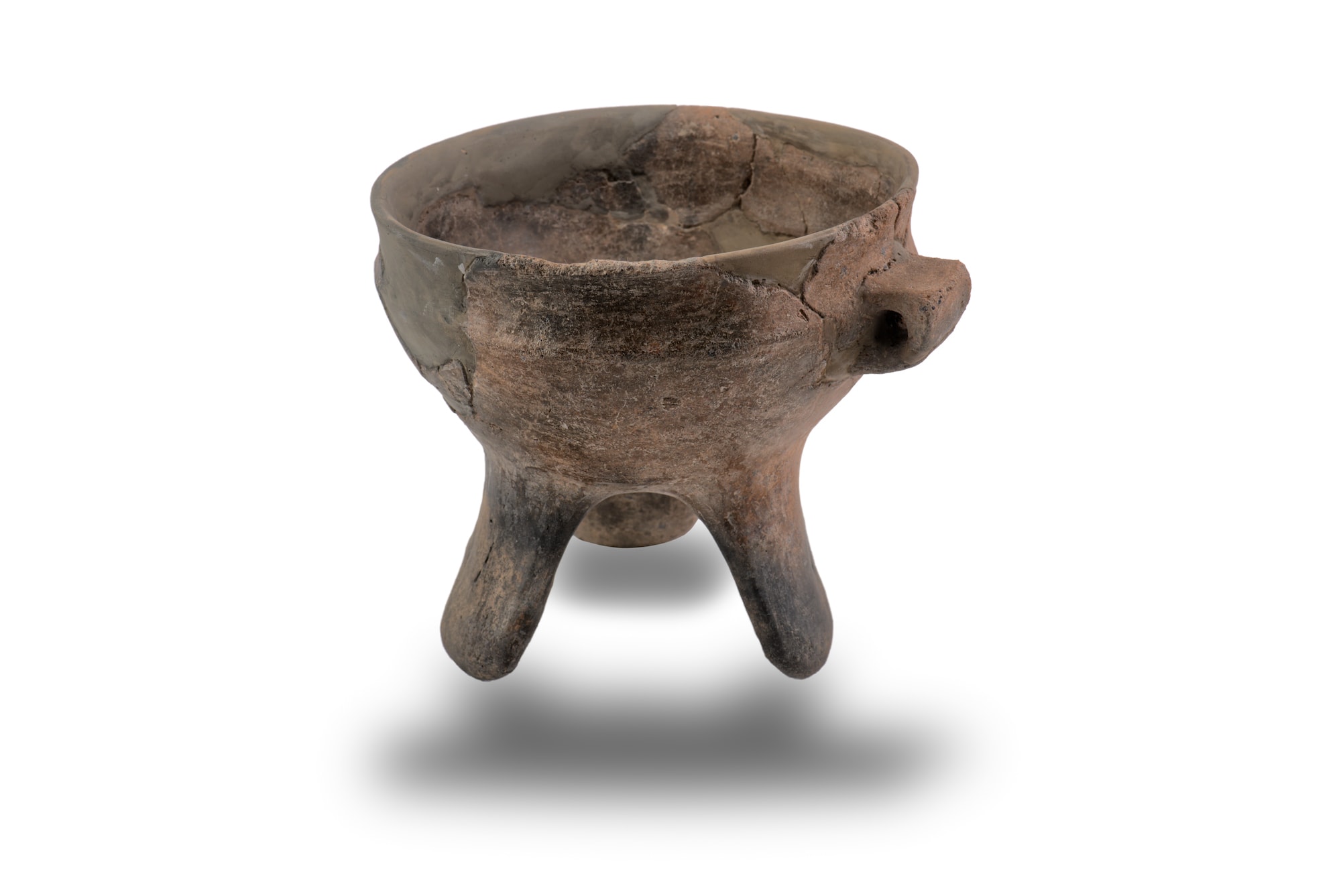
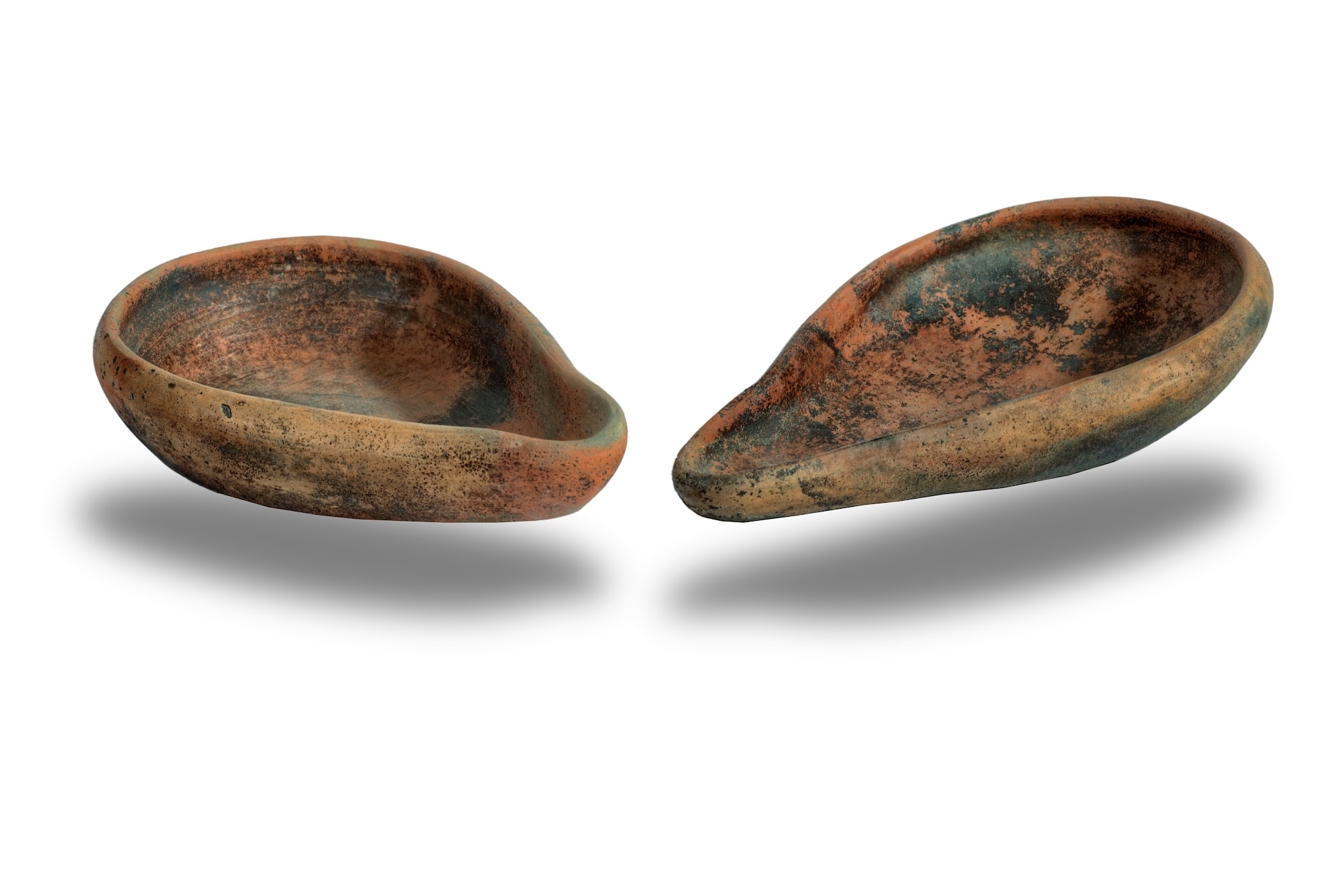
Among the collections, the most notable are materials from various Neolithic villages in the area, from the underground necropolises and domus de janas of Pani Loriga-Santadi, Montessu-Villaperuccio, and from caves in the Santadese area . Among these is the exceptional votive deposit recovered from the Su Benatzu-Santadi cave, the most important cave sanctuary in Nuragic Sardinia. Funerary objects and ceramics from everyday life attest to life and death in the Phoenician-Punic settlement and in the necropolis on the nearby hill of Pani Loriga .
Multimedia supports and a tactile section diversify the ways of enjoying the exhibition , facilitating the contextualization of the finds and sites that attest to the evolution of settlement models in the area over time.
Where
Via Umberto I, 17, 09010 Santadi SU, Italia